
One of the biggest concerns hotel owners face when planning a renovation is how construction will impact daily operations. Renovations are necessary to maintain brand standards, improve guest satisfaction, remain competitive, and protect long-term asset value—but closing a hotel during construction is often not financially feasible.
Fortunately, with proper planning and an experienced hospitality construction partner, hotels can successfully complete major renovations while remaining operational. The key lies in strategic project management, phased construction, clear communication, and an understanding of how hospitality environments function.
At THW Construction, we specialize in renovating active hotels, helping owners complete Property Improvement Plans (PIPs), guestroom upgrades, public space transformations, and full-property renovations while minimizing disruption to guests and staff.
Why Hotels Choose to Renovate While Operating
For many properties, temporarily closing a hotel can result in substantial revenue loss, staffing challenges, and operational complications. Remaining open during construction allows owners to continue generating revenue while improvements are being completed.
Benefits of renovating while operational include:
- Maintaining occupancy and revenue
- Retaining staff and operational continuity
- Preserving market presence
- Meeting brand deadlines and PIP requirements
- Avoiding lengthy closures and reopening costs
However, achieving these benefits requires careful planning and hospitality-specific construction expertise.
The Importance of a Phased Renovation Strategy
The most successful hotel renovation projects follow a phased construction approach. Rather than renovating the entire property at once, work is completed in carefully planned sections to limit disruption.
Common phasing strategies include:
Floor-by-Floor Renovations
Guestrooms are renovated one floor at a time while other areas remain available for guests.
Wing-by-Wing Renovations
For larger properties, construction can be isolated to specific wings while the remainder of the hotel continues normal operations.
Public Space Scheduling
Lobby, restaurant, meeting space, and amenity renovations are scheduled during lower occupancy periods or completed in stages to maintain functionality.
Occupancy-Based Scheduling
Construction activities can be adjusted based on occupancy forecasts, seasonal demand, and event schedules.
A customized phasing plan helps balance operational needs with construction efficiency.
Guest Communication Matters
One of the most overlooked aspects of an occupied renovation is communication. Guests are often understanding of renovation projects when expectations are properly managed.
Hotels should communicate:
- Renovation schedules
- Areas under construction
- Temporary service adjustments
- Available amenities
- Expected completion dates
Transparency helps reduce guest frustration and protects online review scores during renovation periods.
THW Construction works closely with hotel management teams to coordinate schedules and minimize the visibility of construction activities whenever possible.
Managing Noise, Dust, and Disruption
Construction activity inevitably creates noise and disruption, but experienced hospitality contractors implement strategies to minimize guest impact.
These strategies often include:
- Limiting noisy work to specific daytime hours
- Using dust containment systems
- Establishing designated construction access routes
- Separating construction traffic from guest traffic
- Maintaining clean and safe work areas
- Scheduling disruptive activities during lower occupancy periods
Protecting the guest experience remains a top priority throughout the project.
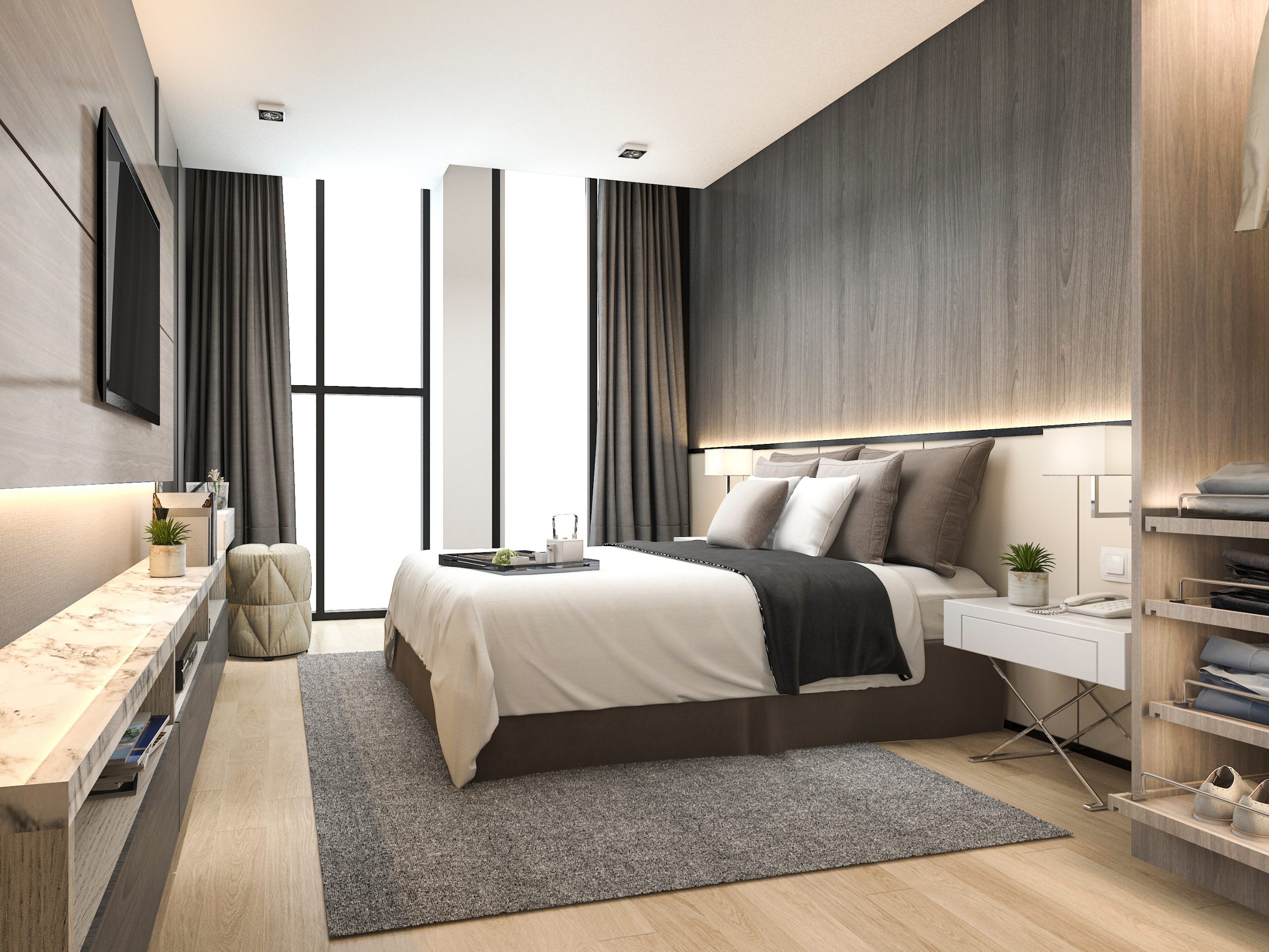
Renovating Guestrooms Efficiently
Guestroom renovations are among the most common hotel improvement projects. Because guestrooms generate revenue, minimizing downtime is essential.
A well-organized renovation team focuses on:
- Detailed room turnover schedules
- Efficient material staging
- Coordinated trade scheduling
- Quality control inspections
- FF&E installation sequencing
This process allows guestrooms to be returned to inventory quickly while maintaining construction quality.
Public Space Renovations Require Special Planning
Public spaces often create the first impression guests have of a property. Renovating these areas while remaining operational requires thoughtful scheduling and temporary accommodations.
Common solutions include:
- Temporary reception areas
- Alternate guest pathways
- Staged lobby renovations
- Temporary dining solutions
- Off-hour construction schedules
These strategies allow operations to continue while improvements are completed.
Safety Is Always the Priority
Active hotels present unique safety considerations. Construction teams must work carefully to protect guests, staff, and visitors at all times.
Hospitality renovation safety measures include:
- Controlled work zones
- Secure material storage
- Clear signage and wayfinding
- Dust and noise mitigation
- Daily site inspections
- Compliance with all local safety regulations
At THW Construction, safety remains a core component of every project plan.
Choosing the Right Hospitality Construction Partner
Not every contractor is equipped to work in occupied hospitality environments. Hotel renovations require specialized planning, communication, logistics management, and operational awareness.
THW Construction has extensive experience supporting active hotel renovations for independent hotels, boutique properties, and major hospitality brands including Hilton, Marriott, Hyatt, Wyndham, Choice Hotels, and IHG.
Our team understands how to balance construction efficiency with guest satisfaction, helping owners achieve renovation goals without sacrificing operational performance.
Final Thoughts
Renovating an active hotel is a complex undertaking, but it can be accomplished successfully with the right strategy and construction partner.
By utilizing phased construction, maintaining clear communication, prioritizing safety, and carefully coordinating project activities, hotel owners can improve their properties while continuing to serve guests and generate revenue.
The result is a smoother renovation process, stronger guest satisfaction, and a more valuable hospitality asset positioned for long-term success.